





Common Bathtub Problems and How to Repair Them in Dubai
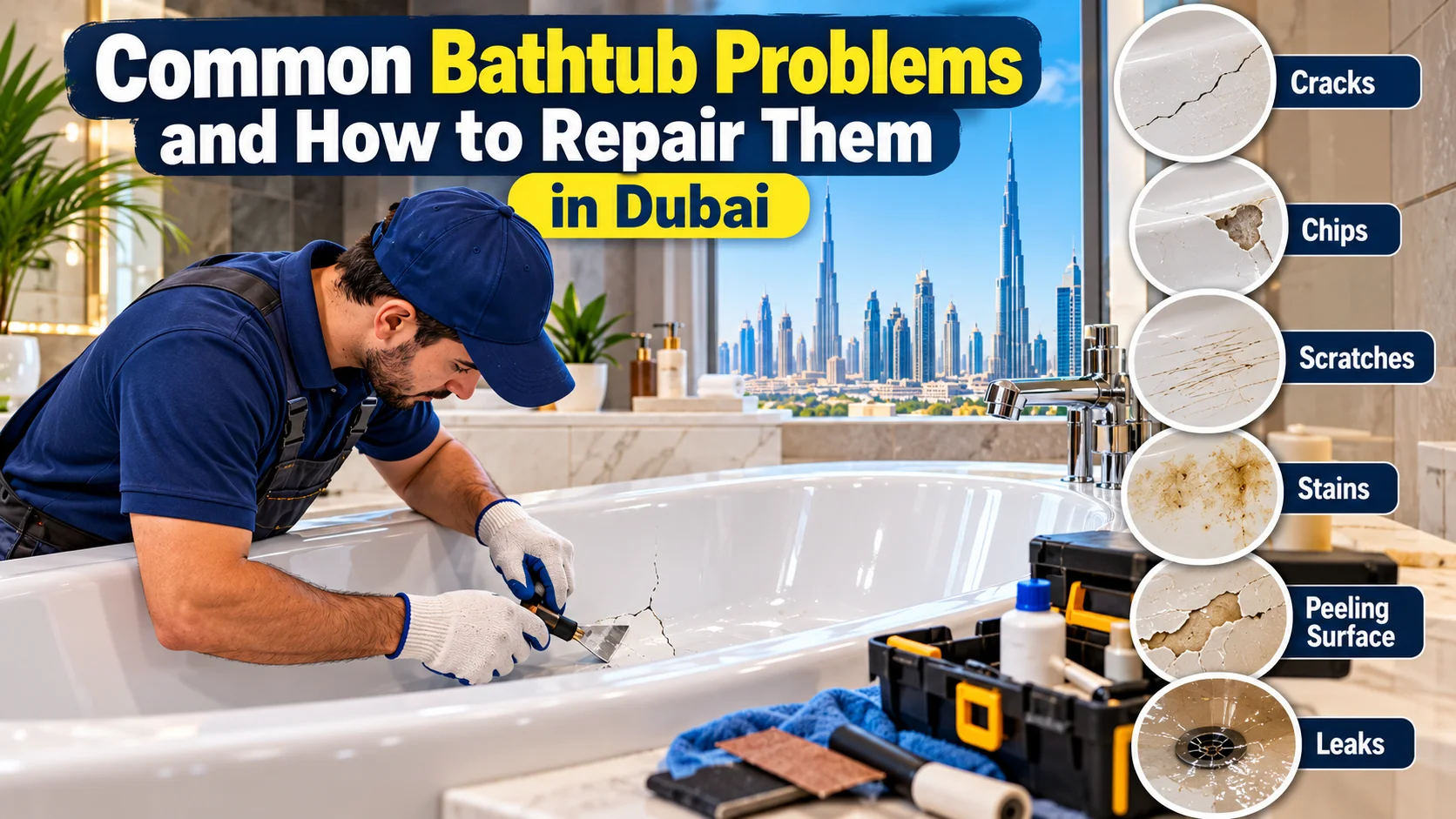
A bathtub is an important part of a comfortable bathroom. It gives you a place to relax and enjoy a warm bath after a busy day. However, regular use, poor maintenance, and surface damage can affect its condition over time. Small cracks, scratches, stains, and peeling surfaces can make a bathtub look old and unattractive.
For homeowners, tenants, landlords, and property managers, bathtub repair in Dubai can be a practical way to deal with many common problems. Repairing a damaged bathtub may help restore its appearance without the cost and effort of removing the entire unit. The right repair method depends on the bathtub material and the type of damage. In this guide, you will learn about common bathtub problems, their possible causes, and when professional repair may be needed.
Cracks in the Bathtub
Cracks are among the most serious problems that can affect a bathtub. They may appear because of impact, ageing, poor support underneath the tub, or pressure on a weak surface. Even a small crack should not be ignored because water may pass through it and damage the surrounding area.
The correct repair method depends on the bathtub material. Acrylic and fibreglass bathtubs may need a suitable repair kit or professional patching. A damaged enamel surface may require a different repair process.
Before choosing a repair method, the damaged area should be checked carefully. If the crack is deep, growing, or allowing water to leak, contact a bathtub repair professional. Do not continue using a bathtub if you suspect that water is escaping beneath it.
Chips and Scratches
Chips and scratches can develop when heavy objects fall into the bathtub or rough cleaning tools are used on the surface. These marks can make an otherwise clean bathroom look poorly maintained.
Small chips may sometimes be repaired with a suitable material that matches the bathtub surface. However, the product must be designed for the specific bathtub material. Using the wrong repair product can lead to poor results or further damage.
To prevent scratches, avoid steel wool, harsh abrasive pads, and unsuitable cleaning chemicals. Use a soft cloth or sponge and follow the manufacturer’s cleaning instructions. If the damage is widespread, professional bathtub refinishing may be worth considering.
Stains and Discolouration
Bathtubs can lose their original colour because of soap residue, mineral deposits, body oils, and cleaning products. In some cases, the surface may become yellow or dull with age.
Start by cleaning the bathtub with a product suitable for its material. Avoid mixing cleaning chemicals, especially bleach with acidic cleaners, because this can release dangerous gases. Always follow the instructions on the product label.
If the stains remain after proper cleaning, the surface itself may be worn or damaged. Professional refinishing may help improve its appearance. However, not every stain can be removed completely, so the condition of the bathtub should be assessed before deciding on a treatment.
Peeling or Flaking Surface
A bathtub with a peeling surface may have an old coating that is no longer sticking properly. Poor preparation during an earlier refinishing job, moisture, or the use of unsuitable products may contribute to this problem.
Applying a new coating over loose or peeling material usually does not solve the underlying issue. The damaged coating may need to be removed, and the surface may require proper preparation before refinishing.
If your bathtub has large areas of peeling, ask a professional to inspect it. Proper preparation is important for achieving a smooth finish that lasts. Avoid using the bathtub until any repair product has fully cured according to its instructions.
Leaks Around the Bathtub
Water around a bathtub does not always mean that the tub itself is cracked. The source may be damaged sealant, loose fittings, a faulty drain, or a plumbing connection.
Look for signs such as wet flooring, water marks on nearby walls, loose sealant, or a persistent damp smell. However, the source of a leak may not be visible without further inspection.
If the problem is related to a drain or plumbing connection, a plumber may be needed rather than a surface repair specialist. Fixing the actual source of the leak is important because hidden moisture can damage cabinets, flooring, and nearby walls.
Why Professional Bathtub Repair Matters in Dubai
Dubai homes include apartments, villas, rental properties, and holiday accommodation. Bathrooms may have bathtubs made from different materials, so one repair method will not work for every situation.
Professional bathtub repair services can assess the damage, identify a suitable method, and help restore the surface. This may be useful for homeowners who want to improve their bathroom without carrying out a full renovation.
Repair costs and completion times depend on the type of damage, the bathtub material, the work required, and the products used. Ask for a clear quotation before work begins. You should also ask how long the bathtub must remain unused after the repair.
Bathtub Repair or Replacement: How to Decide
Repair may be suitable when the bathtub has minor chips, surface scratches, stains, or limited coating damage. Refinishing may also improve the appearance of an older tub when its structure is still sound.
Replacement may be necessary if the bathtub has severe structural damage, repeated leaks caused by the tub itself, or damage that cannot be repaired reliably. A professional inspection can help you understand the available options.
When comparing costs, consider more than the price of the bathtub. Replacement may also involve removal, plumbing work, waterproofing, tiles, and labour. A repair quotation should be compared with the likely total replacement cost.
How to Maintain Your Bathtub After Repair
Good maintenance can help keep a repaired bathtub in better condition.
- Clean the surface with a suitable, non-abrasive cleaner.
- Avoid dropping heavy bottles or bathroom accessories into the tub.
- Do not use harsh chemicals unless the manufacturer confirms they are safe for the surface.
- Check the sealant around the bathtub regularly.
- Report leaks as soon as you notice them.
- Follow the repair professional’s instructions about curing time and cleaning.
Dubai’s water conditions and your bathroom’s cleaning routine may affect how often mineral deposits appear. Regular, gentle cleaning can help prevent residue from building up.
Conclusion
Cracks, chips, scratches, stains, peeling coatings, and leaks are common bathtub problems, but each requires the correct solution. Bathtub repair in Dubai may help restore a damaged surface and avoid unnecessary replacement when the bathtub is still structurally sound.
The first step is to identify the real cause of the problem. Minor surface damage may need a simple repair, while leaks or deep cracks require more careful inspection. By choosing a suitable repair method and following proper maintenance practices, you can keep your bathtub cleaner, safer, and more attractive for longer.